Strategic Human Capital Development for Maritime Infrastructure through Enhanced CAD Competency in Vocational Education
DOI:
https://doi.org/10.35718/ismatech.v3i2.8481886Keywords:
CAD Competency, Human Capital, Maritime Education, PWBS, Vocational TrainingAbstract
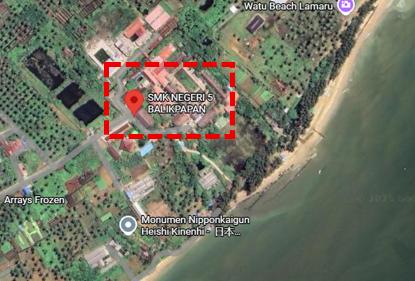
The Indonesian maritime industry faces a critical human capital paradox, where a surplus of vocational graduates exists alongside persistent difficulty among shipyards in recruiting personnel capable of executing modern Product-Oriented Work Breakdown Structure and digital drafting workflows. This study investigates this disconnect through the pilot implementation of an Applied CAD for Maritime Engineering curriculum at a partner vocational high school, SMKN 5. Using a Guided Replication methodology, the intervention bridged the gap between theoretical software knowledge and industrial application by emphasizing parametric modeling and design-for-production logic. The results show that student aptitude is high, as evidenced by the rapid acquisition of three-dimensional modeling skills, while the national vocational infrastructure remains critically unprepared. The study identified a significant technological readiness gap in which existing school hardware was unable to support industry-standard software, requiring external technical intervention. These findings indicate that closing the maritime skills gap requires more than curriculum reform alone, but also necessitates fundamental improvements in school computing infrastructure and a pedagogical shift from software-centric instruction toward production-centric learning. This research proposes a scalable framework for integrating industrial competencies into vocational education to support the long-term development of Indonesia’s maritime workforce.
Downloads
Published
How to Cite
Issue
Section
License
Copyright (c) 2025 Fernanda Wahyu Pratama, Amalia Ika Wulandari, Muhammad Anjas Syam, Jusma Wahidah, Cindy Lionita Agusty, Husein Syahab

This work is licensed under a Creative Commons Attribution-ShareAlike 4.0 International License.